Your Guide to Coffee Roast Levels and What They Mean
If you have ever stood in front of a shelf of coffee bags and felt slightly lost, you are not alone. Light Roast, Medium Roast, Dark Roast – the words sound simple enough, but what do they actually mean for what ends up in your cup? And how do you know which one is right for you?
Here is a straightforward guide to coffee roast levels so you can stop guessing and start enjoying.
What Roasting Actually Does
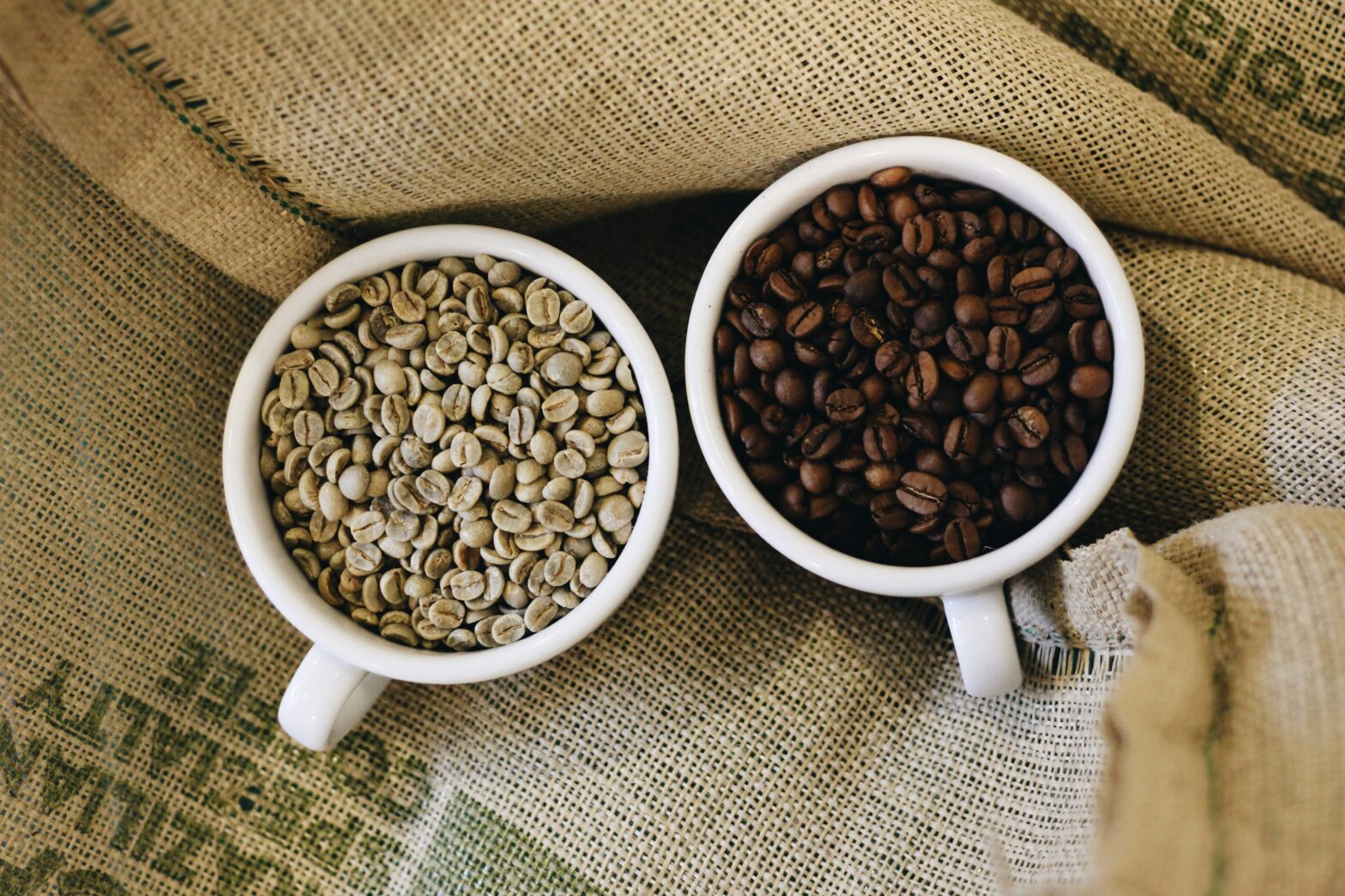
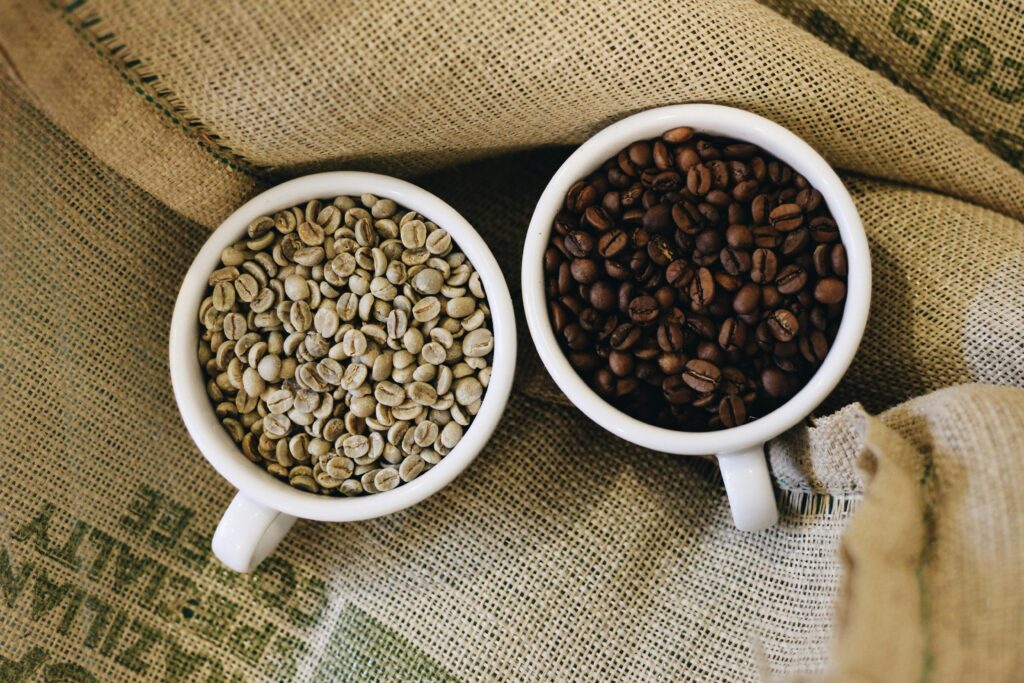
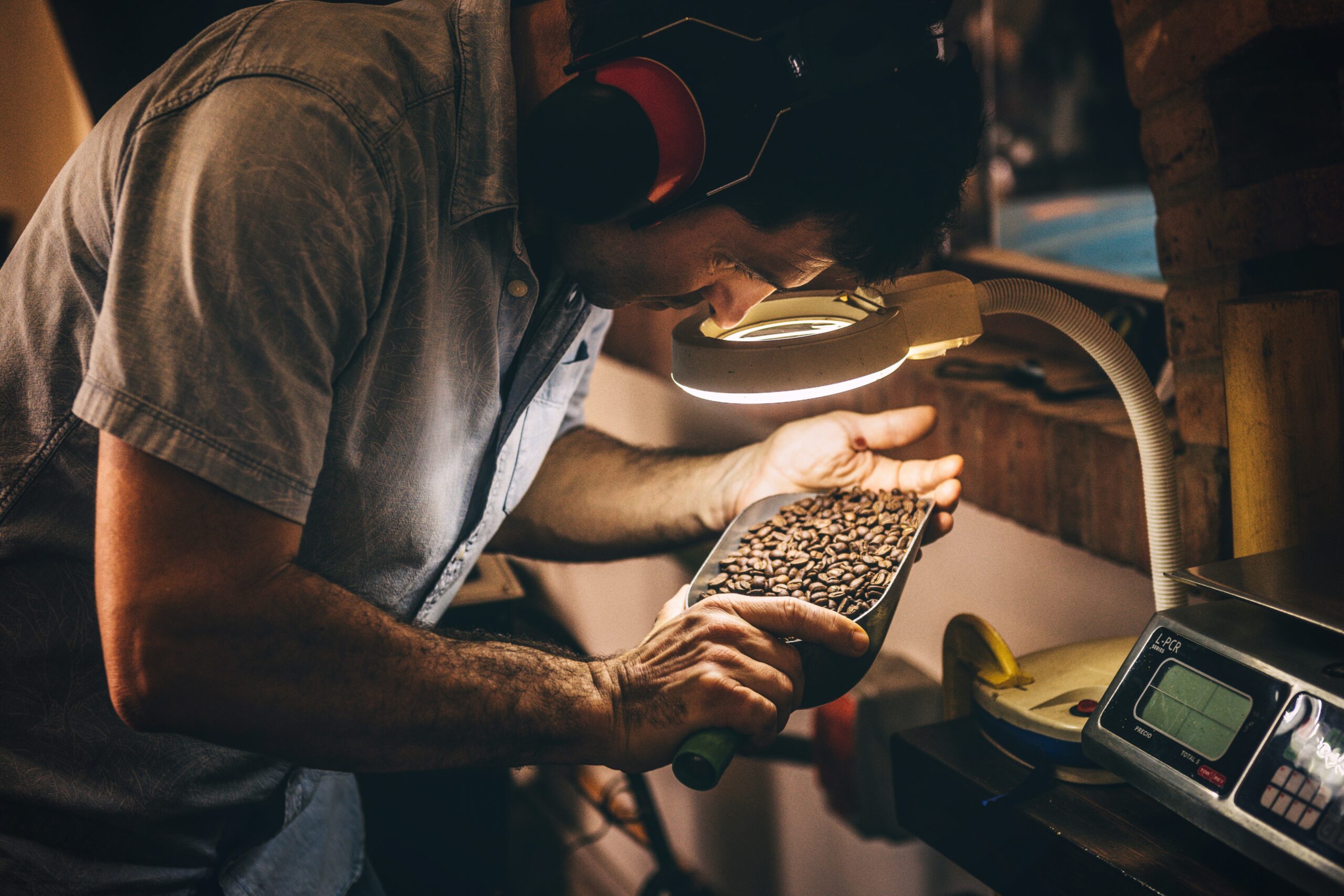
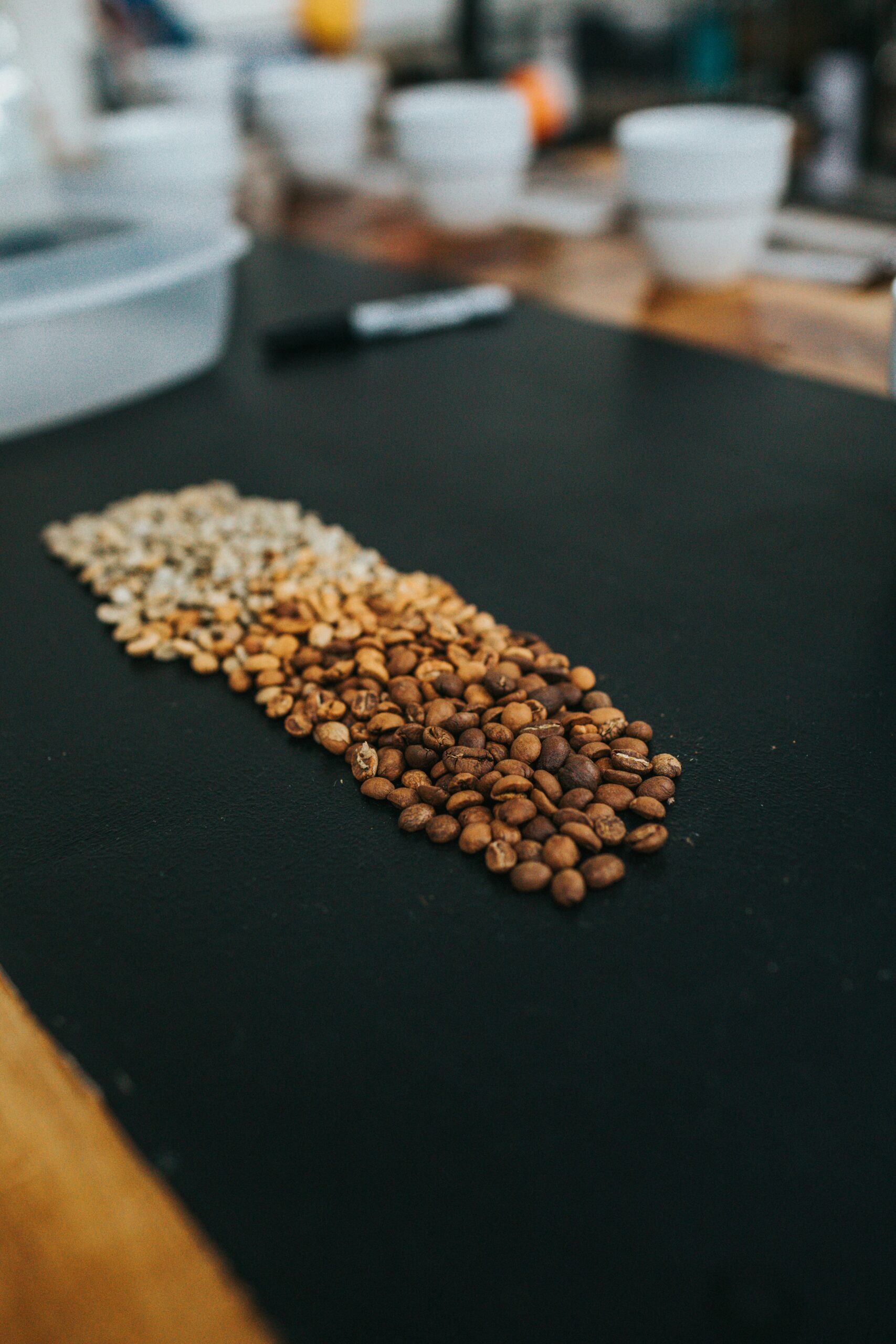
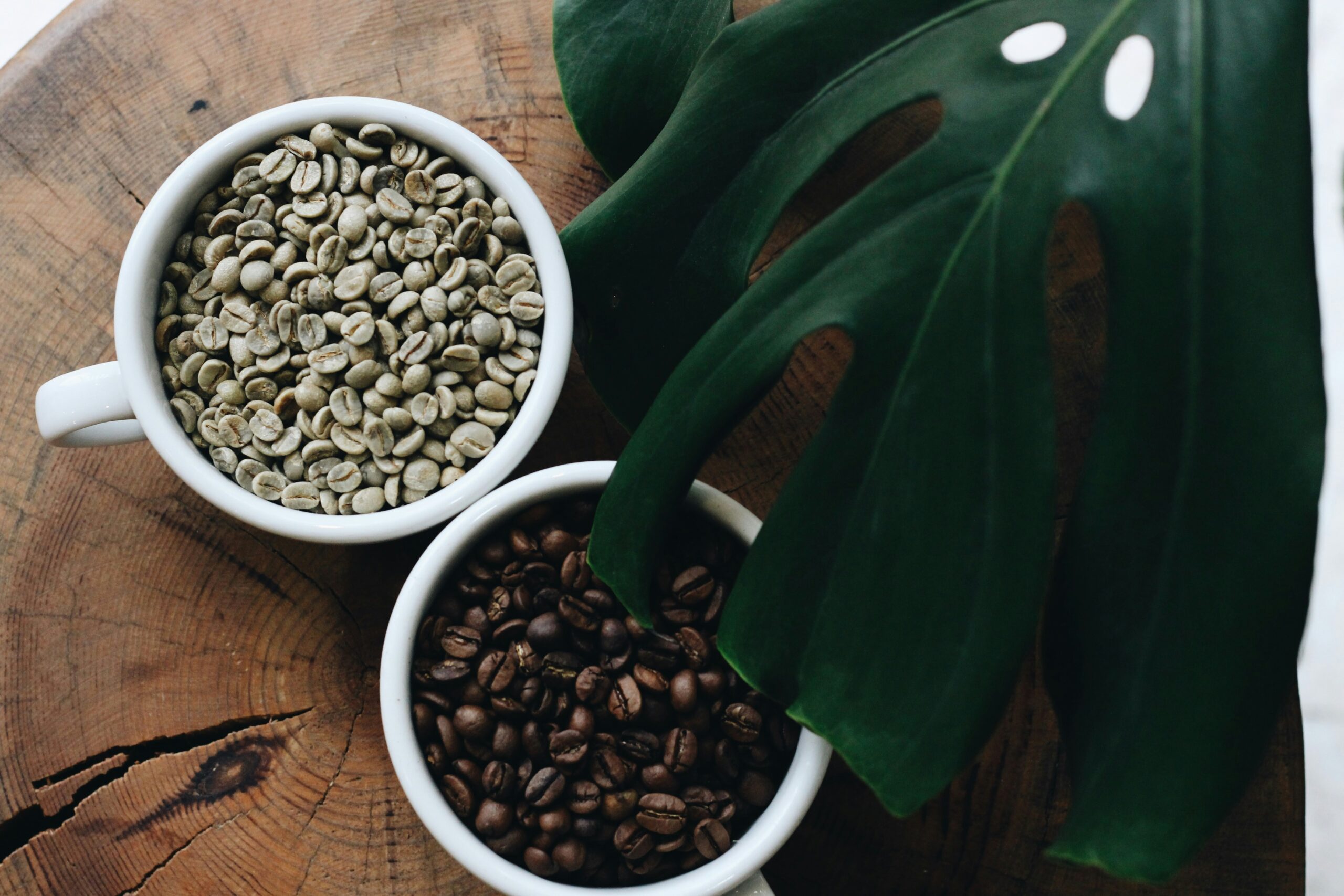
All coffee starts as a green, unroasted bean. Roasting is the process that transforms it, developing flavour, aroma, and body through heat. The longer and hotter the roast, the more the bean changes. It is a bit like cooking: a lightly seared piece of meat tastes very different from one that has been slow-roasted for hours. Neither is wrong, they are just different.
The roast level you prefer will depend on what flavours you enjoy, how you brew, and even the time of day you are drinking.
Light Roast
Light roasts are roasted for the shortest amount of time at lower temperatures. This preserves more of the bean’s natural characteristics – the origin flavours that reflect where the coffee was grown.
You will often find notes of fruit, floral tones, citrus, or even tea-like qualities in a light roast. The acidity tends to be brighter, and the body is lighter in the cup. So, caffeine content is also slightly higher, since the roasting process has not had as long to break it down.
Light roasts work particularly well for filter coffee and pour-over brewing methods, where slower extraction brings out those delicate flavours.
If you like fruity, floral, complex coffees – light roast is worth exploring.
Medium Roast
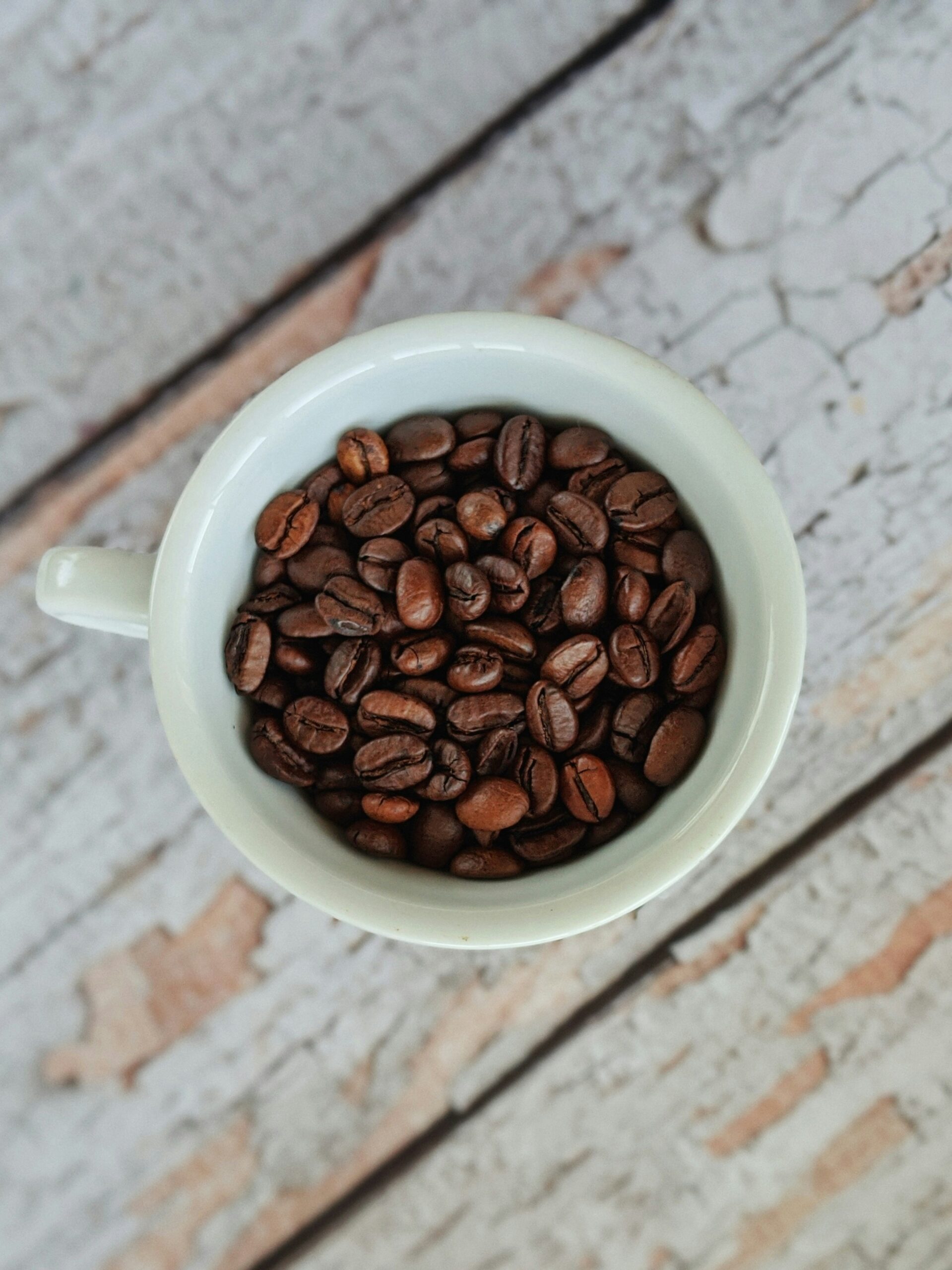
Medium roasts are where a lot of people feel most at home. The balance between origin flavour and roast character hits a sweet spot – you get some of the natural brightness of the bean alongside a rounded, slightly sweeter body.
Expect flavours like chocolate, caramel, nuts, and mild fruit. The acidity is gentler than a light roast, and the finish tends to be smoother and more approachable.
Medium roasts are incredibly versatile. They perform well in espresso machines, bean to cup machines, cafetières, and filter brewers. If you are buying coffee for an office or shared space where you need something that works for a wide range of palates, a good medium roast is usually the safest and most crowd-pleasing choice.
If you like balanced, smooth, easy-drinking coffees – medium roast is a great place to start.
Dark Roast
Dark roasts spend the longest time in the roaster at higher temperatures. By this point, the origin flavours of the bean have largely given way to the characteristics of the roast itself – think bold, smoky, bitter notes with a heavy body.
You will typically find flavours like dark chocolate, roasted nuts, molasses, and a lower perceived acidity. The oils in the bean are drawn to the surface, which gives dark roast beans their distinctive glossy appearance.
Dark roasts are popular for espresso and milk-based drinks like lattes and cappuccinos, where the intensity of the coffee needs to hold its own alongside steamed milk.
If you like bold, rich, intense coffees – dark roast is your zone.
Which Roast Is Right for You?
There is no single correct answer, and part of the fun is experimenting. A few things worth considering:
How do you brew your coffee? Filter methods tend to bring out lighter roast qualities better. Espresso and bean to cup machines often perform brilliantly with medium to dark roasts.
Do you take milk? If so, a medium or dark roast will hold up to it more effectively. A light roast can get lost in a latte.
What flavours do you gravitate towards? If you love fruit and brightness, go lighter. If you prefer chocolate and depth, go darker.
And of course, the quality of the bean itself matters as much as the roast. Ethically sourced, freshly roasted coffee – whatever the level – will always outperform something that has been sitting on a shelf for months.
Final Sip
Understanding roast levels will not just make you a better shopper – it will make every cup more intentional and more enjoyable. Whether you are buying for yourself or stocking up for a cafe, church, or office, knowing what you are looking for makes all the difference.
Want to know more about B Corp? Visit bcorporation.uk
Explore our full range of Fairtrade, carbon-neutral coffees here

Interested in more?
Looking for more articles about coffee and coffee equipment from Indigo Valley? Why not view our archive of posts and articles for everything you need to know about coffee.